The premise
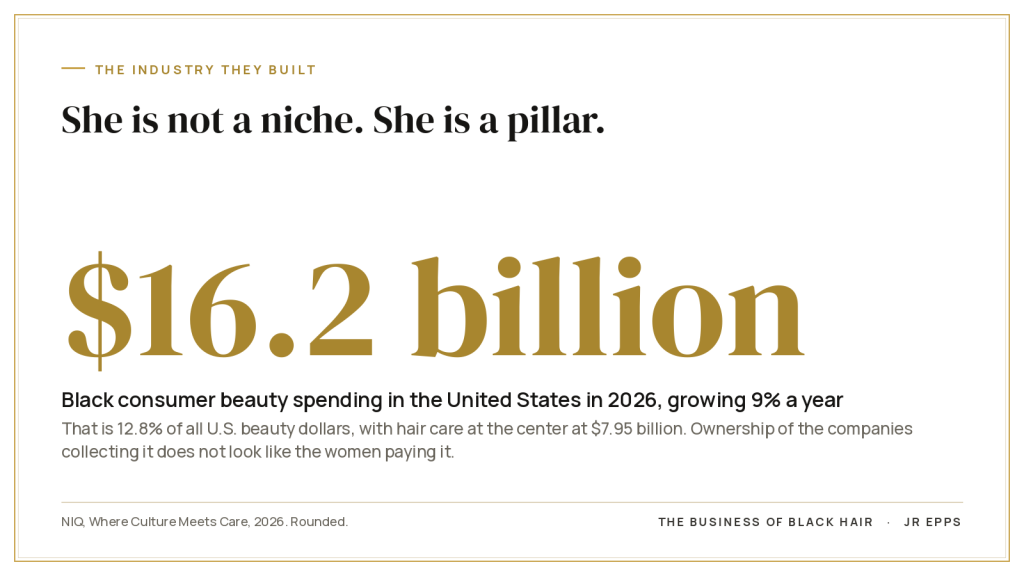
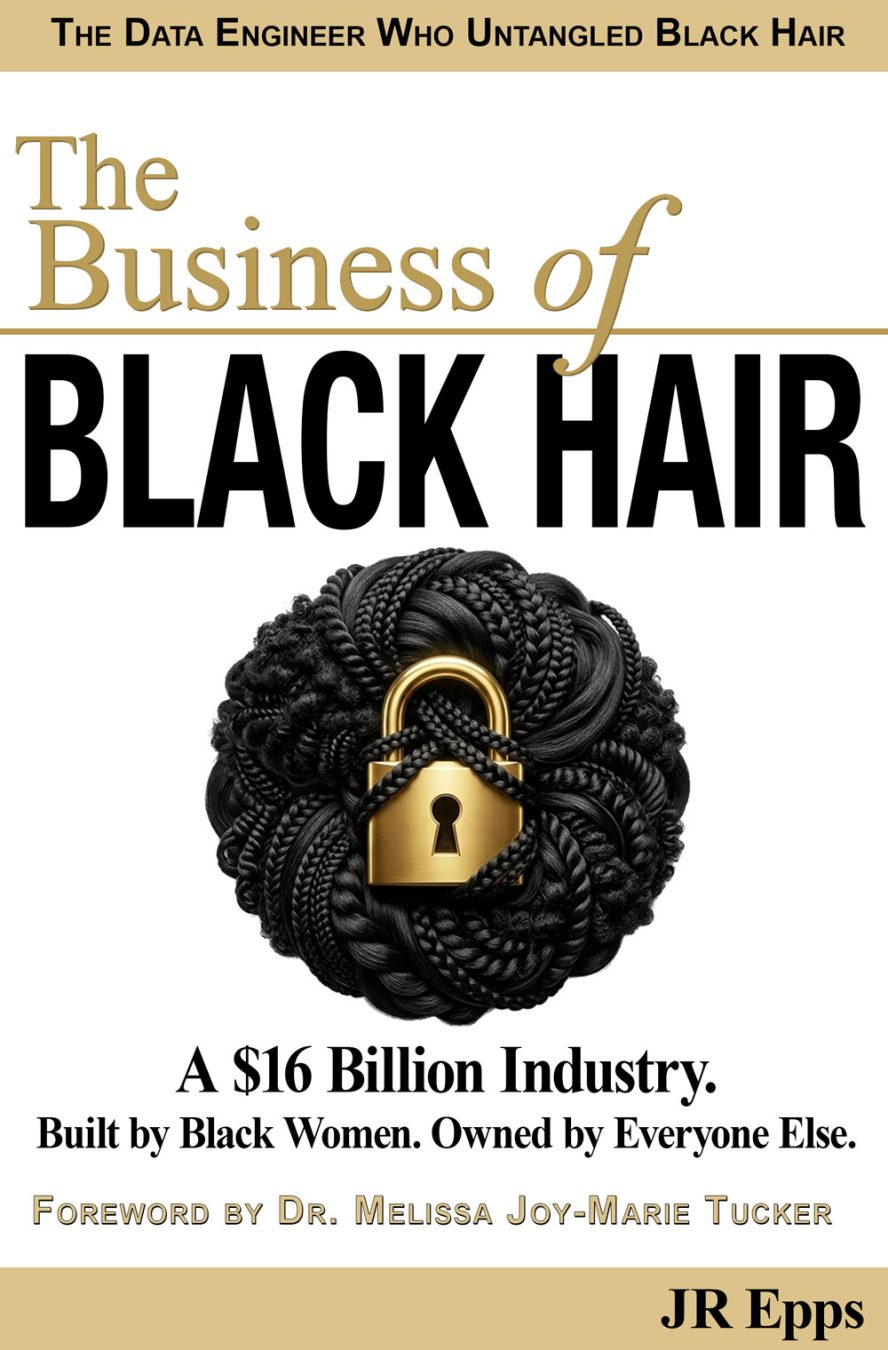
Imagine an industry whose consumer created it, sustains it, staffs it and markets it, and owns almost none of it. Now imagine it is worth $16 billion a year. You do not have to imagine. It is the Black hair care industry.
This is not a self-help book about loving your natural hair. It is a business analysis, written in plain language by a data engineer who spent years as a partner in Black Hair Media, one of the largest online communities ever built around Black hair. The forum generated nearly ten million posts. Read twenty years later, those posts show a community that knew exactly what was happening to it. This book puts the numbers next to what they knew.
The Consumer-Owner Inversion
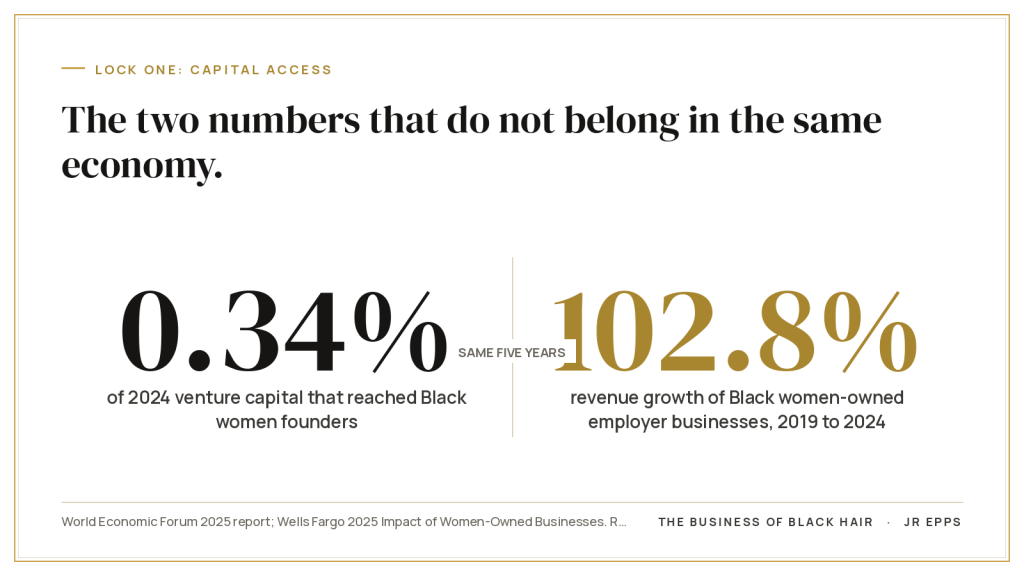
The book names the pattern: a market where the people who spend the most are systematically excluded from owning any piece of it. Then it documents the Four Locks that keep it that way, capital access, distribution gatekeeping, the acquisition trap and the ownership literacy gap, with receipts from SEC filings, retail data and acquisition histories instead of slogans.
Thirteen chapters, receipts on the table
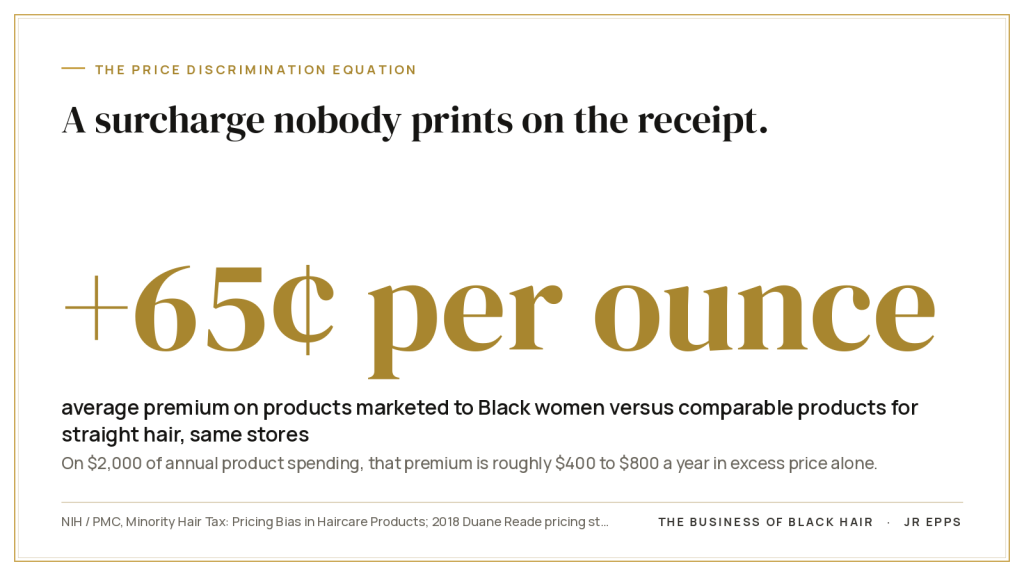
- The Afro Tax. The total cost of ownership of Black hair, including the 65 cents per ounce premium nobody prints on the receipt.
- Good Hair, Bad Business. From Madam C.J. Walker to the relaxer era, the cosmetology licensing trap and what straight hair actually cost.
- Wash Day Is Not a Hobby. Skilled labor, four to eight hours at a time, that the industry depends on and has never paid for.
- They Bought the Brand. Carol’s Daughter, SheaMoisture, Mielle: the five-act acquisition cycle, and why “did she sell out” is the wrong question.
- The Most Complicated Store in the Neighborhood. The beauty supply store as a business operations problem, not a cultural one.
- The Big Box Problem. 15% of the customers, 5% of the shelf, the locked cases, and what Target’s DEI reversal really cost.
- The Influencer Industrial Complex. Black women built the natural hair market on YouTube and were paid 35% less for it.
- Your Hair at Work. The Professional Hair Tax, the CROWN Act, and the business case nobody puts on the income statement.
- The Location Lock Is Broken. eCommerce Location Neutrality: the lease is no longer the moat.
- The Factory Door Is Open. How the cost of launching a product line dropped from $28,000 to under $8,000.
- The Capitalization Cheat Code. Revenue first, community pre-orders, and keeping the equity.
- The X Factor. AI as the new smartphone, and one woman’s weekend from idea to purchase order.
Is this book for you?
Yes, if you have ever stood in the aisle doing the math in your head, watched a brand you loved get acquired and reformulated, or thought “I know exactly what this product should be and nobody is making it.” Also yes if you run a salon, a brand, a store or a marketing budget in this industry and want the structure explained without the speech.
No, if you want a product guide, a salon directory or a history of Black hair culture. History shows up where it explains the money. The money is the subject.
The ask at the end
Three things. Buy your next product from a Black-founded brand. Tell one woman what you read. Then come back here, because the forum that started it, BlackHairMedia.com, is being rebuilt.